Las Cruces Yard Guide
How to Protect Plants From Freezes in Las Cruces
Las Cruces winters are mild most days, but clear desert nights can drop well below freezing, and one hard freeze can scorch palms, kill citrus and set back new plantings. The good news: a few simple steps on freeze nights protect most plants. Here’s when to act and how.
Updated October 2026 using NMSU Extension frost-protection guidance and National Weather Service freeze normals.
Quick answer
How do you protect plants from a freeze in Las Cruces?
Water the soil the day before a freeze, cover tender plants in the late afternoon with frost cloth or sheets that reach the ground, add incandescent string lights under the cover for very tender plants, and remove covers the next morning once it warms up.
Move potted plants against a south or west wall or into the garage, and never let plastic touch the leaves.
Freeze levels to watch
|
Night low |
What it means |
|---|---|
|
29°F to 32°F |
Light frost: kills tender plants and annuals |
|
25°F to 28°F |
Moderate freeze: heavy damage to most tender vegetation |
|
24°F and colder |
Severe freeze: damages most plants that aren’t cold-hardy |
Freeze categories from NMSU Extension frost-protection guidance.
Timing
When do freezes happen in Las Cruces?
The average first freeze at the NMSU weather station is around November 11 and the average last freeze around March 11, based on National Weather Service 1991–2020 normals. Clear, calm nights after a cold front bring the hardest freezes, and low spots in the yard get colder first.
Freeze season
Roughly mid-November to mid-March, with the coldest nights in December and January.
Clear, calm nights
Dry desert air loses heat fast after sunset, so a 60-degree day can still end below freezing.
Cold pockets
Cold air sinks into low spots and arroyos. Walls and south-facing beds stay warmer.
At risk
Which plants need freeze protection in Las Cruces?
Protect citrus, bougainvillea, queen palms and young date palms, cordyline, aloe, tropical potted plants, frost-tender succulents and new plantings in their first winter. Most native and desert-adapted plants, like desert willow, Texas sage, agave parryi and yucca, handle normal Las Cruces freezes without covers.
|
Plant group |
Freeze risk |
What to do |
|---|---|---|
|
Citrus, bougainvillea, tropical pots |
High |
Cover or move indoors below about 32°F |
|
Queen palm, young date palms, cordyline |
High |
Cover the crown; wrap young trunks |
|
New plantings (first winter) |
Moderate |
Cover on nights in the mid-20s or colder |
|
Aloe and tender succulents |
Moderate to high |
Cover; keep soil on the dry side |
|
Natives and desert-adapted plants |
Low |
Usually no cover needed |
Exact tolerance varies by plant age, size and how long the cold lasts. When in doubt, cover it.
Palms need special care; see our palm tree guide. For fruit blossoms in spring, see fruit trees in Las Cruces.
Covering
How do you cover plants for a freeze?
Drape frost cloth, sheets or blankets over the plant so the cover reaches the ground on all sides and traps heat rising from the soil. Hold the edges down with rocks, keep plastic off the leaves, and take the cover off the next morning once temperatures climb above freezing.
1
Water first
Moist soil holds and releases more heat overnight.
2
Cover before sunset
Trap the day’s warmth before it escapes.
3
Reach the ground
A cover that stops at the branches protects very little.
4
Add gentle heat
Incandescent string lights help very tender plants.
5
Uncover in the morning
Let the sun warm the plant and the soil again.
Water and pots
Should you water plants before a freeze?
Yes. Water the soil a day before a forecast freeze, ideally in the morning. Moist soil stores more daytime heat and releases it overnight, and well-watered plants handle cold better than drought-stressed ones. Don’t spray foliage, and keep watering on your City days through winter about once a month.
Your irrigation needs protection too: see how to winterize sprinklers in Las Cruces.
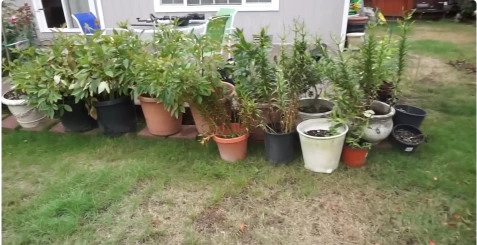
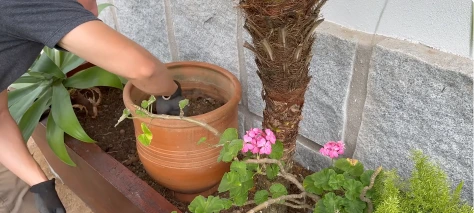
Potted plants can be grouped and moved to shelter on freeze nights.
After a freeze
What should you do after a hard freeze?
Leave freeze-damaged leaves and branches in place until new growth starts in spring, usually after mid-March, because the brown growth protects the plant from the next cold night. Then cut back to green, healthy tissue. Keep watering normally, and don’t fertilize damaged plants until spring.
Related guides and services
Freeze protection FAQs
Want your yard ready for winter?
We plant the right plants for Las Cruces winters, protect tender ones and set your drip for the cold season. Free, written estimate.
Las Cruces Landscaping Group
1921 Santa Ines Drive, Las Cruces, NM 88011
(575) 270-0676. Mon to Sat, 7 a.m. to 7 p.m.
Request a Free Estimate
Takes under a minute. We’ll call you back today.